Schedule for IMWCN 2025
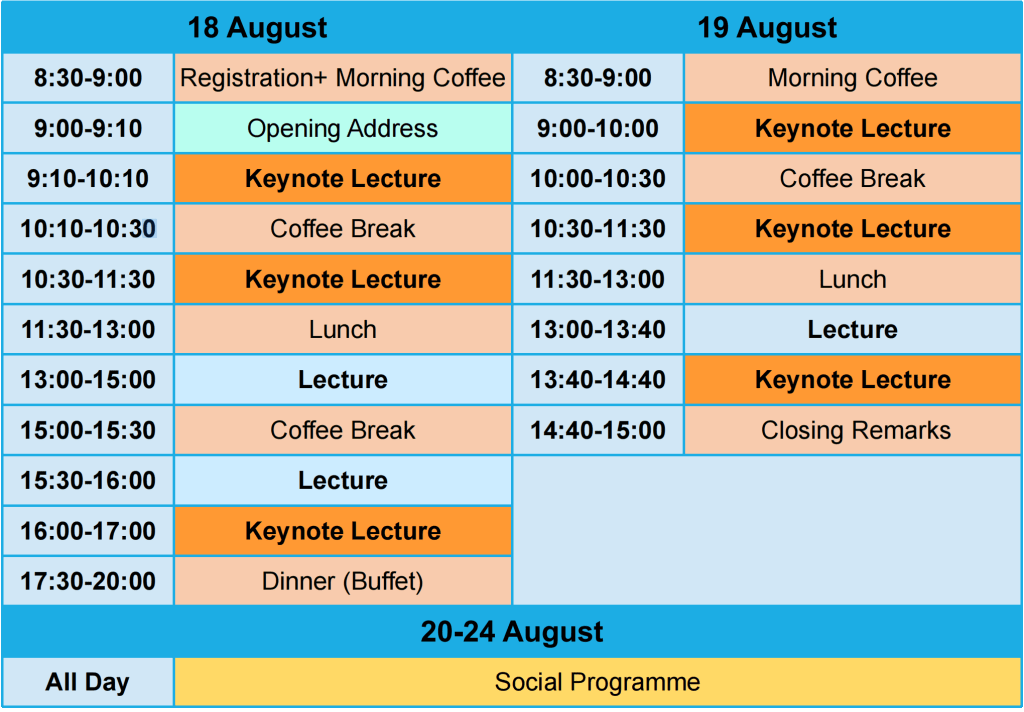
For more details, please download our programme book below:
Social Programme (Recommended academic visit sites in London)
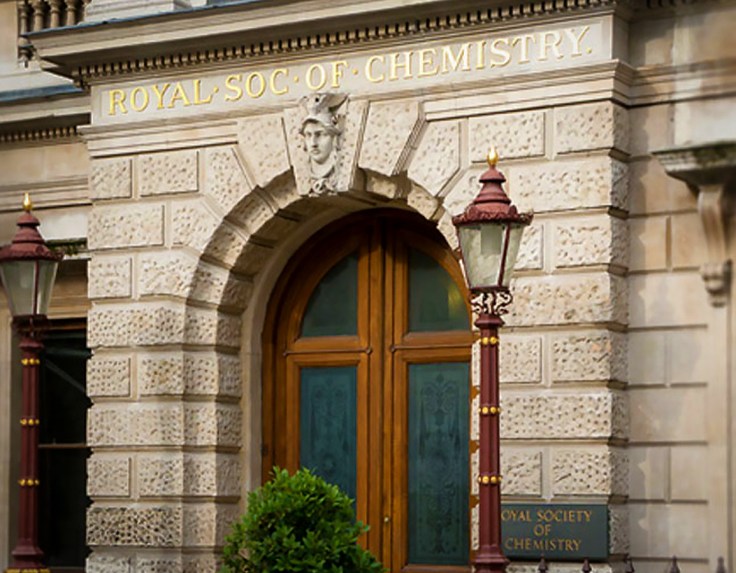
The Royal Society of Chemistry (RSC) is a learned society (professional association) in the United Kingdom with the goal of “advancing the chemical sciences”. It was formed in 1980 from the amalgamation of the Chemical Society, the Royal Institute of Chemistry, the Faraday Society, and the Society for Analytical Chemistry with a new Royal Charter and the dual role of learned society and professional body. The organisation carries out research, publishes journals, books and databases.
The headquarter of RSC is located in Burlington House, where it is next to the Buckingham Palace, Hyde Park and Trafalgar Square. The nearest tube station is Green Park and you can get there by taking the underground via Jubilee, Piccadilly and Victoria lines.
Address: Royal Society of Chemistry, Burlington House, Piccadilly, London, W1J 0BA – Google Maps
Website: rsc.org
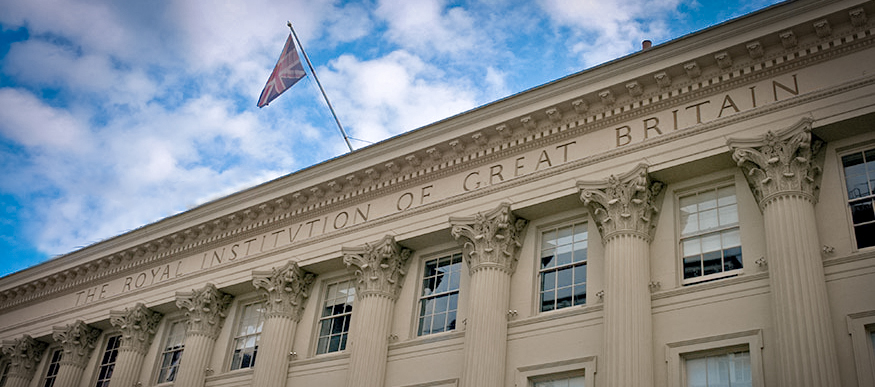
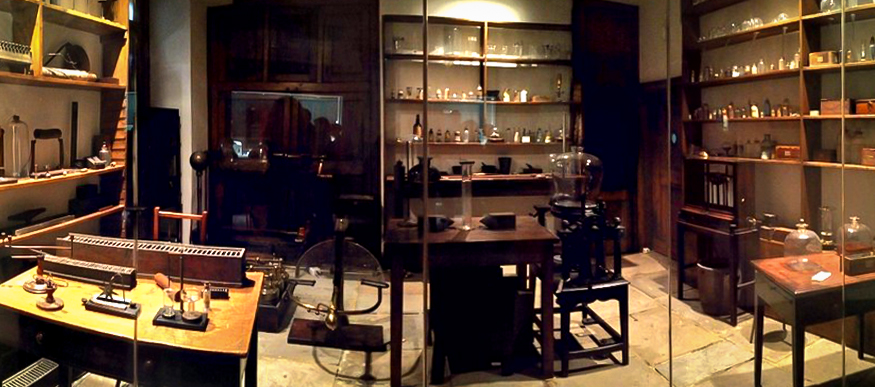
The Royal Institution of Great Britain (Ri) is an organisation for scientific education and research, based in the City of Westminster, just a five-minute walk from Green Park station. It was founded in March 1799 by the leading British scientists of the age, including Henry Cavendish and its first president George Finch, with the aim of introducing new technologies and teaching science to the general public.
Part of the Ri, the museum is named after one of Britain’s most famous scientists, Michael Faraday who worked here nearly two hundred years ago. Here you can see Faraday’s actual laboratory, while learning about the vital research and development that the Institution continues to be involved in.
Address: The Royal Institution of Great Britain, 21 Albemarle Street, W1S 4BS – Google Maps
Website: rigb.org

The British Museum is a public museum dedicated to human history, art and culture, located in the Bloomsbury area of London. The museum was founded in 1753 and opened its doors in 1759.
The British Museum was the first national museum to cover all fields of knowledge, open to visitors from across the world. Its permanent collection of eight million works is among the largest and most comprehensive in existence. It documents the story of human culture from its beginnings to the present.
Address: The British Museum, Great Russell Street, London WC1B 3DG – Google Maps
Website: britishmuseum.org
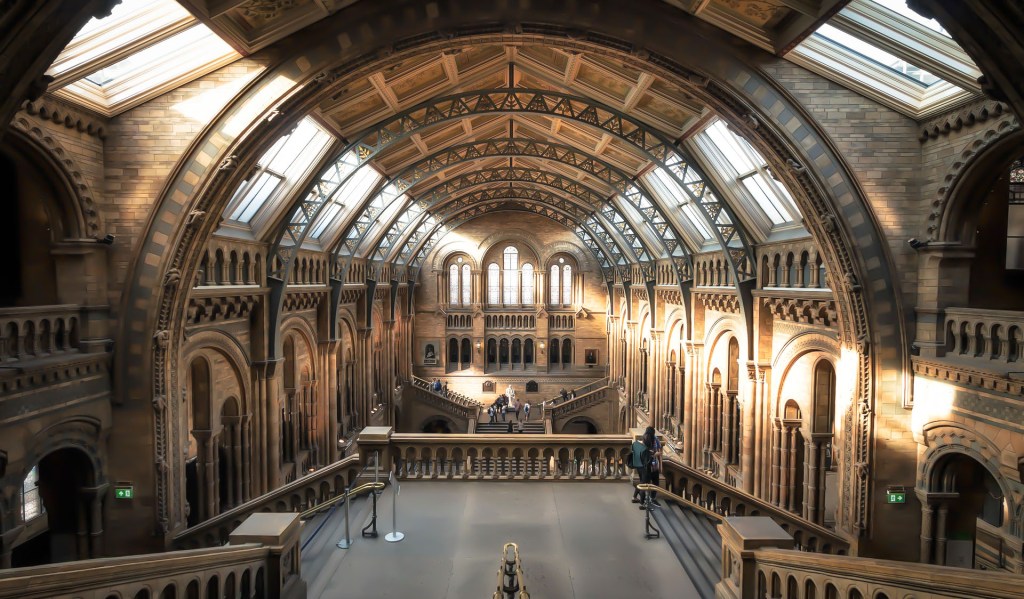
The Natural History Museum exhibits a vast range of specimens from various segments of natural history. It is one of three major museums on Exhibition Road in South Kensington, the others being the Science Museum and the Victoria and Albert Museum.
The museum is home to life and earth science specimens comprising some 80 million items within five main collections: botany, entomology, mineralogy, palaeontology and zoology. Many of the collections have great historical as well as scientific value, such as specimens collected by Charles Darwin and the famous dinosaur skeletons and ornate architecture.
Address: Natural History Museum, Cromwell Rd, South Kensington, London SW7 5BD – Google Maps
Website: nhm.ac.uk
 IMWCN 2025